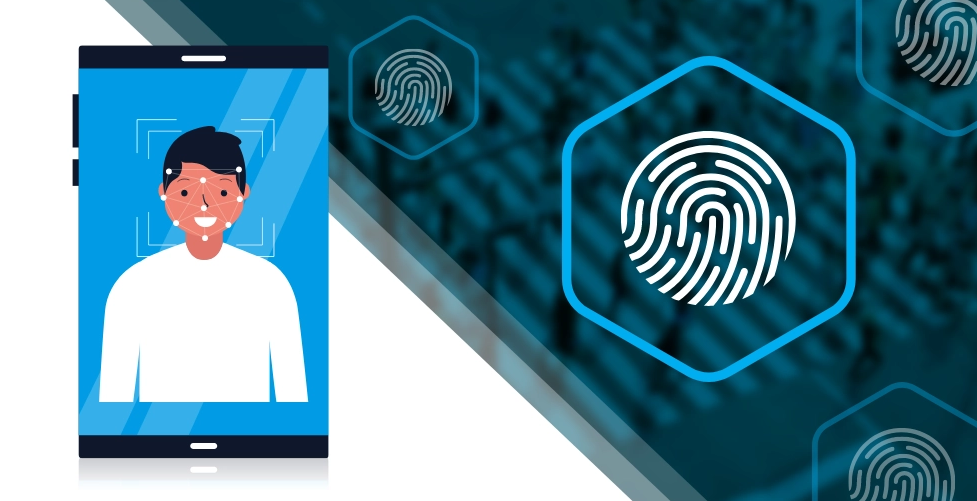
Understanding Decentralized Identity

Decentralized identity positions individuals to control verifiable credentials without reliance on centralized authorities. Core building blocks—DIDs, verifiable credentials, and wallets—enable secure key management and portable credentials across services. In practice, use cases span people, organizations, and devices, offering streamlined onboarding and cross-platform verification. Adoption hinges on governance, interoperability, and revocation frameworks. The trajectory invites scrutiny of policy evolution and technical trade-offs, as stakeholders weigh resilience, privacy, and scalable trust in real-world deployments.
What Decentralized Identity Is and Why It Matters
Decentralized identity refers to a model in which individuals control their own verifiable credentials and personal data, rather than relying on centralized authorities. This approach enhances autonomy by enabling seamless identity portability across services and jurisdictions. It also strengthens security through credential revocation capabilities and revocation-aware trust.
The result is a strategic shift toward interoperable, user-empowered digital identities.
See also: cornernewsdaily
Core Building Blocks: DIDs, Verifiable Credentials, and Wallets
A succinct core of decentralized identity rests on three interlocking components: DIDs (decentralized identifiers), verifiable credentials, and wallet solutions. The triad enables a resilient identity lifecycle, where control, portability, and interoperability drive trust without central intermediaries. DIDs anchor origin; verifiable credentials prove claims; wallets safeguard keys and credentials, supporting credential portability across platforms while preserving user autonomy.
How It Works in Practice: Use Cases Across Individuals, Businesses, and Devices
In practical terms, decentralized identity translates the triad of DIDs, verifiable credentials, and wallets into tangible workflows that span individuals, organizations, and devices.
The approach enables identity portability across platforms, streamlining access and verification while reducing friction.
For businesses, it accelerates onboarding and compliance.
Device interoperability ensures consistent trust signals, empowering users to control credentials across ecosystems with strategic, future-ready agility.
Adoption, Governance, and What to Consider When Moving Forward
Adoption, governance, and the path forward require a clear, evaluation-driven approach that translates technical capabilities into scalable, policy-aligned outcomes. The analysis emphasizes adoption dynamics and governance frameworks, highlighting strategic levers for stakeholder alignment, risk management, and interoperability. Decision-makers should balance speed with security, quantify incentives, and design flexible policies that evolve with ecosystem maturity, ensuring freedom through principled, auditable identity governance.
Frequently Asked Questions
How Do DIDS Persist Across Device Changes Securely?
DIDs persist across device changes securely via device persistence and cross device sync, leveraging crypto-backed key fragmentation, threshold signatures, and end-to-end encrypted vaults. This strategic, tech-forward approach balances user freedom with rigorous cross-device integrity.
Can I Revoke a Verifiable Credential Instantly?
Instant revocation of a verifiable credential is possible, though effective timing depends on the revocation registry’s design. About 64% of deployments cite near-instant revocation as critical; this shapes credential lifecycle and optimal revocation timing for user freedom.
What Are the Privacy Trade-Offs in Decentralized Identities?
Privacy trade-offs in decentralized identities center on exposure vs. control; privacy preserving designs reduce leakage, while credential portability enables flexible authorization across ecosystems, demanding careful trust assumptions and interoperable standards to maintain user autonomy and resilient security.
How Do Issuers Verify Credentials Without Centralized Databases?
Issuers verify credentials without centralized databases through cryptographic proofs and verifiable credential exchanges, enabling issuance verification and credential storage across trusted ledgers. This approach remains analytical, strategic, and tech-forward, appealing to audiences seeking freedom and self-sovereignty.
What Standards Ensure Cross-Issuer Interoperability?
Standards interoperability ensures cross issuer compatibility by aligning credential formats, verification flows, and governance models; it enables seamless trust anchors across ecosystems, reducing fragmentation and enabling individuals to exercise freedom with portable, mutually verifiable digital identities.
Conclusion
Decentralized identity represents a strategic shift from centralized gatekeepers to user-controlled credential ecosystems. By anchoring DIDs, verifiable credentials, and wallets, individuals and organizations gain portable, revocable trust across platforms, reducing friction and enhancing privacy. A notable stat: by 2025, Gartner projected over 60% of digital identities to be anchored in decentralized models. The trajectory suggests interoperable, policy-driven adoption that scales across jurisdictions and devices, demanding governance, standards alignment, and resilient lifecycle management for sustainable impact.